

Demystifying aging
6 things every yoga teacher should know about the aging body.
Aging is often framed as an inevitable decline into pain, weakness, fragility, and cognitive deterioration. But many of the assumptions yoga teachers absorb about aging come less from biology and more from cultural narratives, medical systems focused on pathology, and what happens when people gradually stop moving confidently.
This matters because the stories we tell about aging influence how we teach, how much challenge we offer, and what our students come to believe is possible.
Below are six evidence-based ideas every yoga teacher should understand about the aging body.
[Premium members - click the play button above the introduction to listen to the audio version of the newsletter and make sure you scroll all the way to the end to download your exclusive printable Quick Reference teaching guide on demystifying aging.]
Upcoming Workshop: Demystifying Aging
How bodies, brains, and beliefs change with age
I’m excited to be teaching a new evidence-based workshop designed specifically for yoga teachers who want a clearer, more nuanced understanding of aging bodies and brains.
Together we’ll explore:
What actually changes with age
What remains adaptable
Common myths around aging and movement
Strength, balance, mobility, and cognition
How beliefs influence capacity
Practical teaching implications for yoga classes
This workshop is designed to help teachers move beyond fear-based narratives and teach aging bodies with more confidence, clarity, and evidence-informed understanding.

👉1. Aging is not the same as pathology
Aging is a biological process, not a diagnosis. While the likelihood of certain conditions increases with age, aging itself is not a disease.
Many changes commonly blamed on aging are strongly influenced by inactivity, stress, social isolation, poor sleep, underloading, and reduced confidence. In other words, age is only one variable among many.
This distinction matters because yoga teachers can unintentionally frame older students as “broken” simply because they are older.
Teaching implication: Avoid treating age itself as the problem. Focus on the individual in front of you, their movement history, current capacity, confidence, and goals.
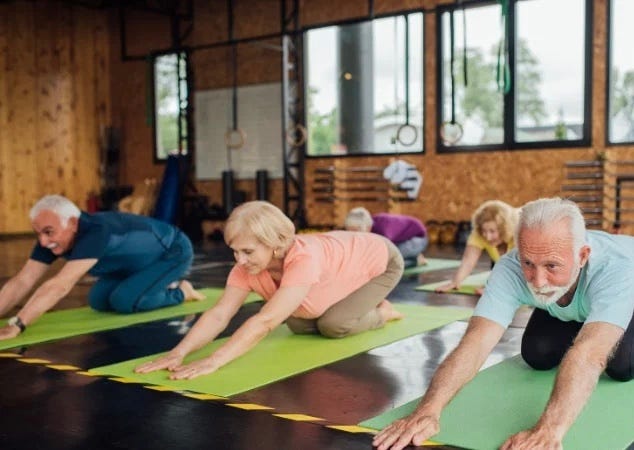
👉2. There is no such thing as a “normal older body”
One of the most important realities of aging is that variability increases with age.
Two 70-year-olds may have dramatically different levels of strength, mobility, balance, cardiovascular fitness, and independence. Chronological age tells us surprisingly little about what a person can actually do.
Some older adults are running marathons and lifting weights. Others may struggle to get up from the floor. Both are “normal”.
Teaching implication: Avoid assumptions based purely on age. Instead of categorising students as “older beginners” or “fragile seniors”, teach the person, not the stereotype.
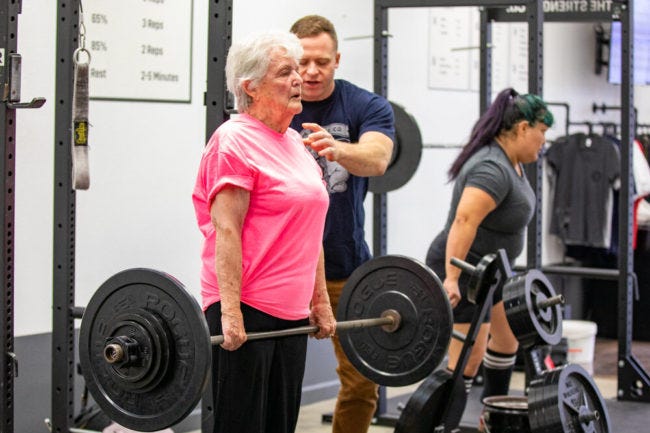
👉3. Much of what we blame on aging is actually disuse
Loss of muscle mass, reduced balance, decreased confidence, lower bone density, and reduced physical capacity are often associated with underloading and avoidance.
Bodies adapt to what they repeatedly do, but they also adapt to what they stop doing.
If we stop challenging balance, we often lose balance confidence. If we stop loading muscles and bones, tissues may gradually become less robust. This can look like “normal aging” even though disuse is playing a major role.
Teaching implication: Overprotection can unintentionally accelerate decline. Appropriate challenge matters.

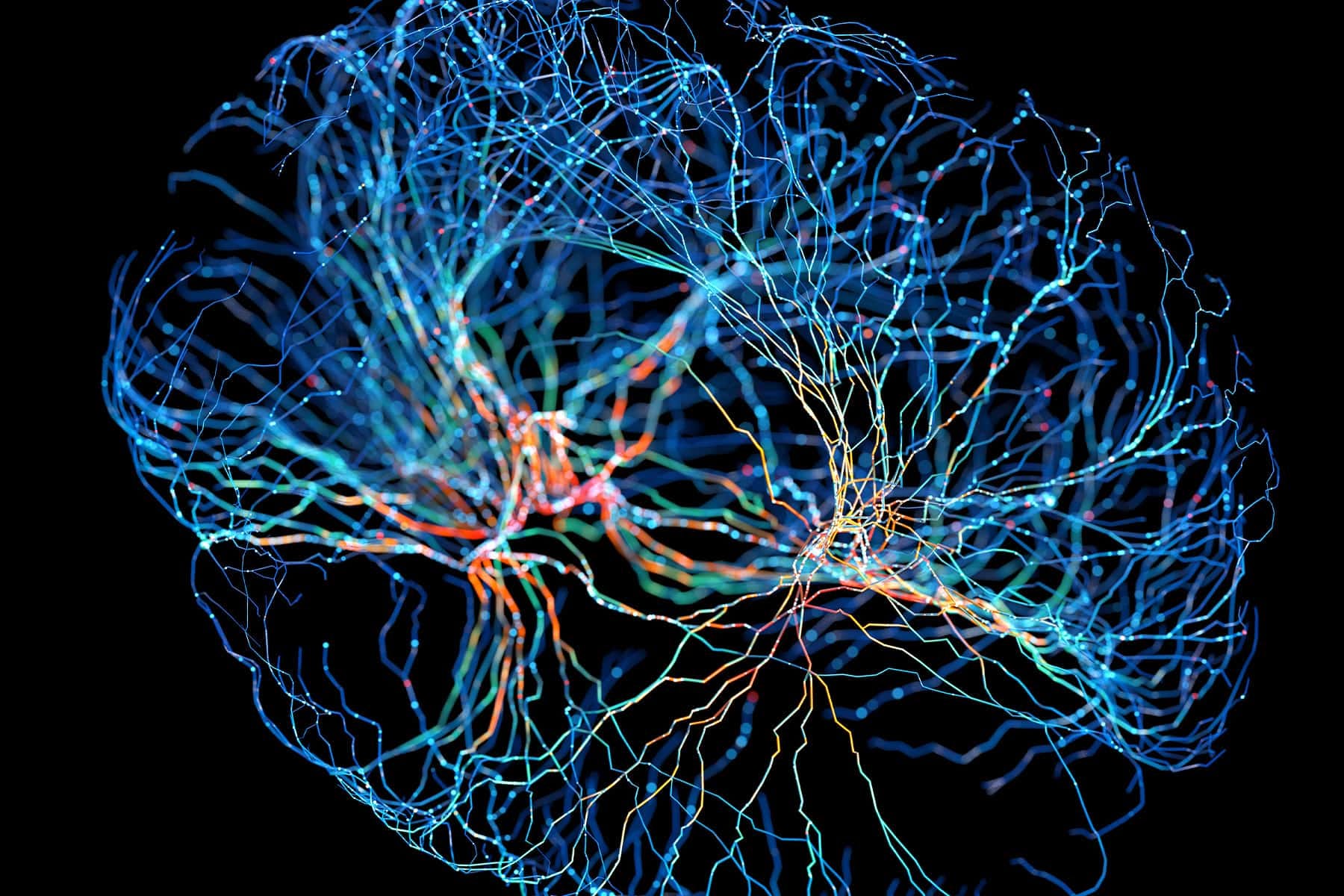
👉4. The brain remains adaptable throughout life
Neuroplasticity does not suddenly stop in midlife. The brain continues adapting in response to learning, movement, challenge, and environment across the lifespan.
Research suggests that movement, coordination tasks, cardiovascular exercise, social engagement, and learning new skills may all support brain health and cognitive resilience (Erickson et al., 2011).
Balance and coordination are not just muscular tasks, they are also neurological tasks.
Teaching implication: Simplifying movement endlessly is not always helpful. Older adults often benefit from opportunities to learn, adapt, and problem-solve.
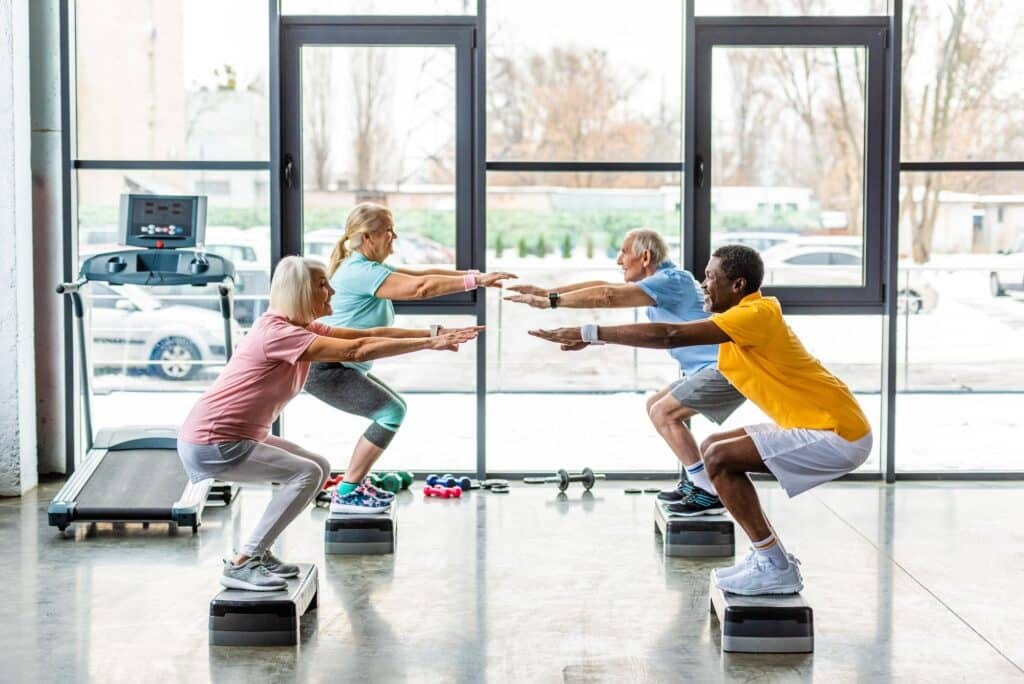
👉5. Muscle, bone, and tendons still respond to loading later in life
One of the most important myths to challenge is the belief that tissues lose their ability to adapt after a certain age.
Research consistently shows that muscle, bone, and connective tissue remain responsive to progressive loading well into later decades of life. Older adults can improve strength, function, and physical capacity significantly with appropriate training (Fiatarone et al., 1990).
This is especially important for women, many of whom were historically discouraged from strength training altogether.
Teaching implication: Gentle movement has value, but many aging bodies also benefit from progressively loaded resistance training and impact exposure.
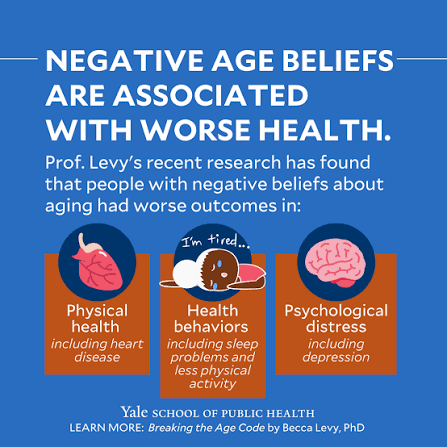
👉6. Beliefs about aging influence outcomes
Perhaps one of the most overlooked aspects of aging is expectation.
Research suggests that beliefs about aging influence behaviour, engagement, confidence, and even physiological outcomes (Levy, 2009). If people believe decline is inevitable, they may move less, challenge themselves less, and gradually become less capable.
Yoga teachers play a powerful role in shaping these narratives.
Language such as “be careful”, “don’t fall”, or “your body can’t do that anymore” may sound compassionate, but can sometimes reinforce fragility and fear.
Teaching implication: Language matters. Confidence, capability, and adaptability are important teaching themes.
👉Why this matters for yoga teachers
Yoga teachers are not simply teaching poses. We are influencing how people relate to effort, movement, aging, and their own bodies.
If we assume fragility, we may teach fragility.
If we assume adaptability, we help build capacity.
Can I ask you a quick favour? If you enjoyed this post, please tap the heart at the bottom of the email. This helps my writing reach more people.
Ready to deepen your applied anatomy knowledge and become more confident in your teaching?
Join me for an in-person training this June and learn in a supportive environment.

References:
Erickson, K. I. et al. (2011). Exercise training increases hippocampal size and improves memory. Proceedings of the National Academy of Sciences, 108(7), 3017–3022.
Fiatarone, M. A. et al. (1990). High-intensity strength training in nonagenarians. JAMA, 263(22), 3029–3034.
Levy, B. R. (2009). Stereotype embodiment. Psychological Science, 20(12), 1537–1543.
