

Rethinking Pigeon Pose
6 Pigeon variations that prioritise comfort, control, and choice.

Each month in the Enlightened Yoga Collective we focus on a different theme or pose to inspire your class planning!
The Monthly Class Inspiration this month is Pigeon Pose!
[Premium members - click the play button above the introduction to listen to the audio version of the newsletter and make sure you scroll all the way to the end to download your exclusive printable Quick Reference teaching guide on Pigeon Pose.]
Three ways to train with me, when you’re ready…
Join the Enlightened Yoga Collective:
Free 1-week trial. On-demand, teacher-focused lessons and a supportive community to help you plan and teach with confidence. Start your free trial.
Study live online:
My new Anatomy Applied to Yoga 6-Week Course starts April 21st. Evidence-based training to deepen your understanding of how yoga affects the body. Reserve your spot today.
Train in person:
UK (Apr), US East Coast (May), UK & Europe (June). Interactive, evidence-based workshops designed to help you teach with clarity and confidence. Book your place (spots limited).
“Hip opener” is a phrase we hear all the time in yoga. But what exactly are we trying to open? The hip bone, the joint, the capsule, or something else entirely?
In practice, this label usually refers to external rotation of the hip joint, the movement you see when the thigh turns outward, like in a turned-out stance. Many familiar postures involve this action, including Warrior II, Bound Angle Pose, and Easy Pose.
The language we use matters. Calling these shapes “hip openers” can subtly suggest that this one movement is more important than others. But the hip is capable of a wide range of motion, including internal rotation, flexion, and extension. For that reason, it can be more helpful to think in terms of specific joint actions rather than general ideas about “opening.”
Pigeon Pose is a classic example. The front hip moves into external rotation, while the back leg extends behind the body. In some variations, especially when reaching for the back foot, the pose also includes a significant backbend.
That said, the traditional version is not accessible or comfortable for everyone. Hip anatomy varies, and positions that feel great for one person may feel restrictive or stressful for another, especially around the knees or ankles.
The good news is that there are many ways to explore similar shapes and sensations while still building focus, awareness, and control.
Preparation:
Before exploring Pigeon, it can be useful to spend time in poses that introduce similar joint actions. Warrior II, Bound Angle Pose, and Easy Pose can help you explore hip external rotation, while Reclining Hero Pose introduces extension through the back leg.
👉6 Pigeon Pose Variations:
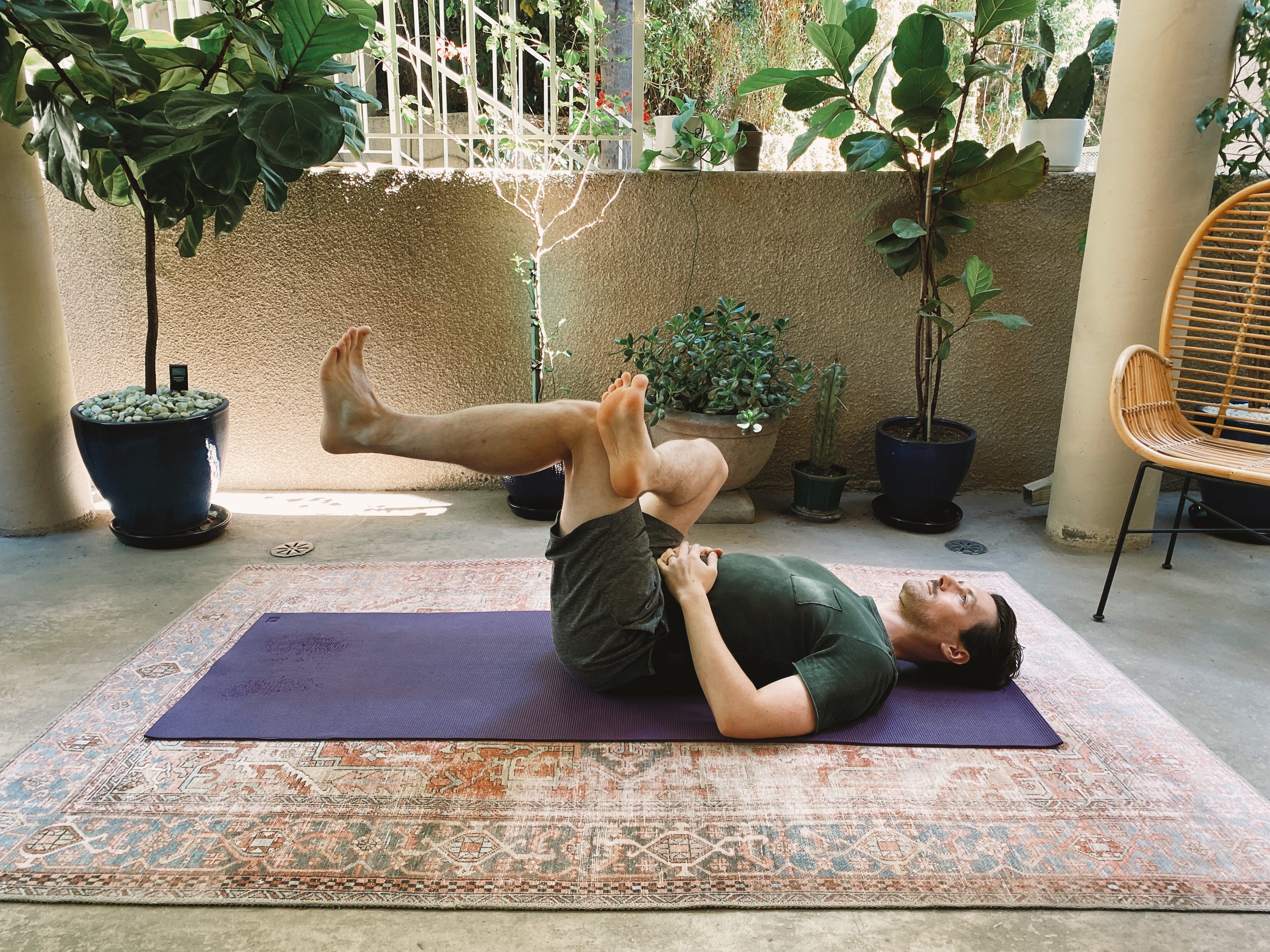
1) Supine Pigeon
Lying on your back, bend your knees and place your feet on the floor. Cross your right ankle over your left thigh. You can keep your left foot on the floor or draw the leg toward you. Holding behind the thigh can increase the sensation in the hip. Keep the crossed foot active by spreading the toes and gently pressing through the big toe side.
2) Seated Pigeon
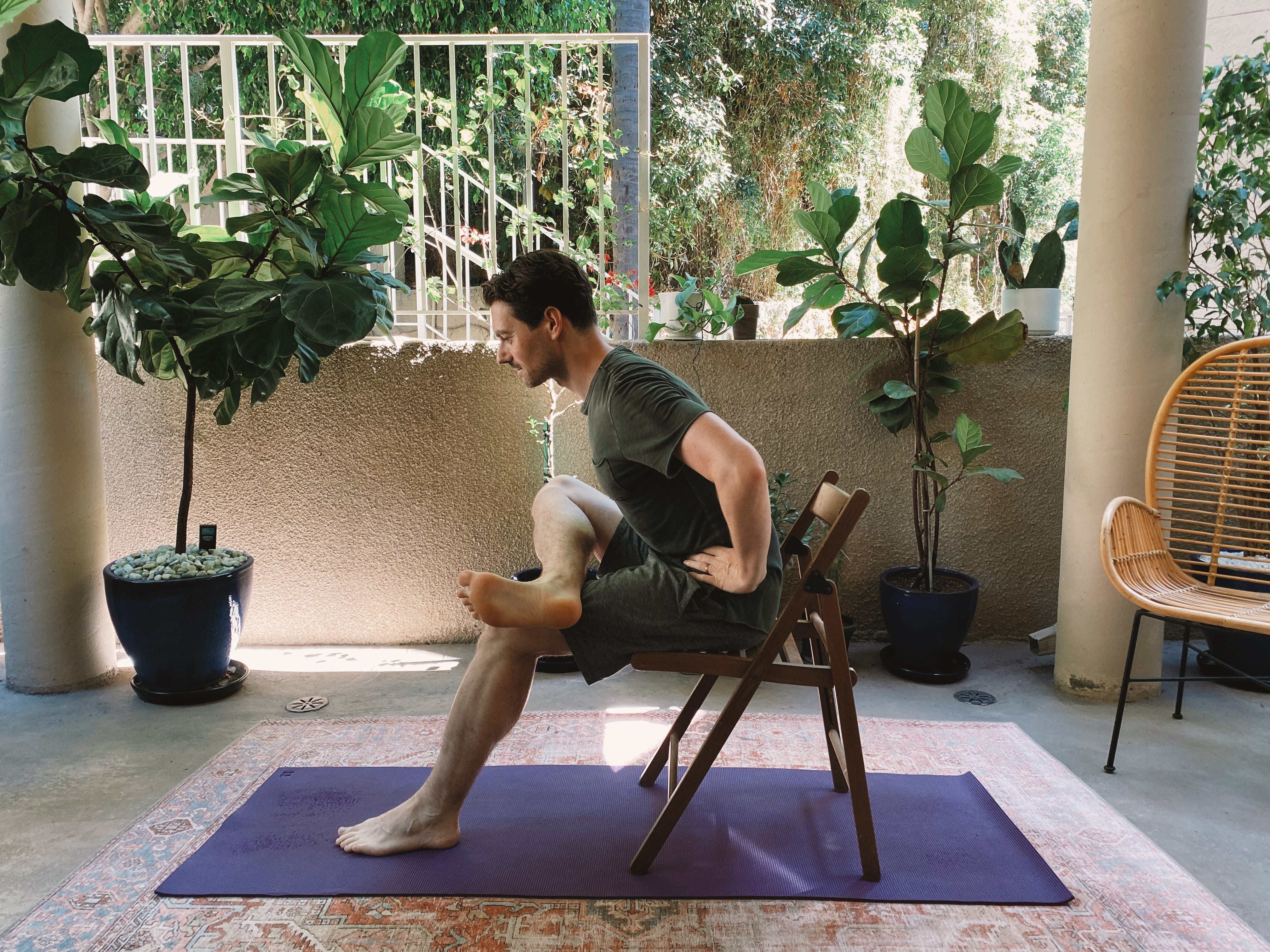
From a seated position, cross one ankle over the opposite thigh. Keep the foot active and hinge forward slightly from the hips. Moving the standing foot closer or further away will change the intensity.
This is a simple and accessible way to explore hip external rotation.
3) Pigeon with a chair
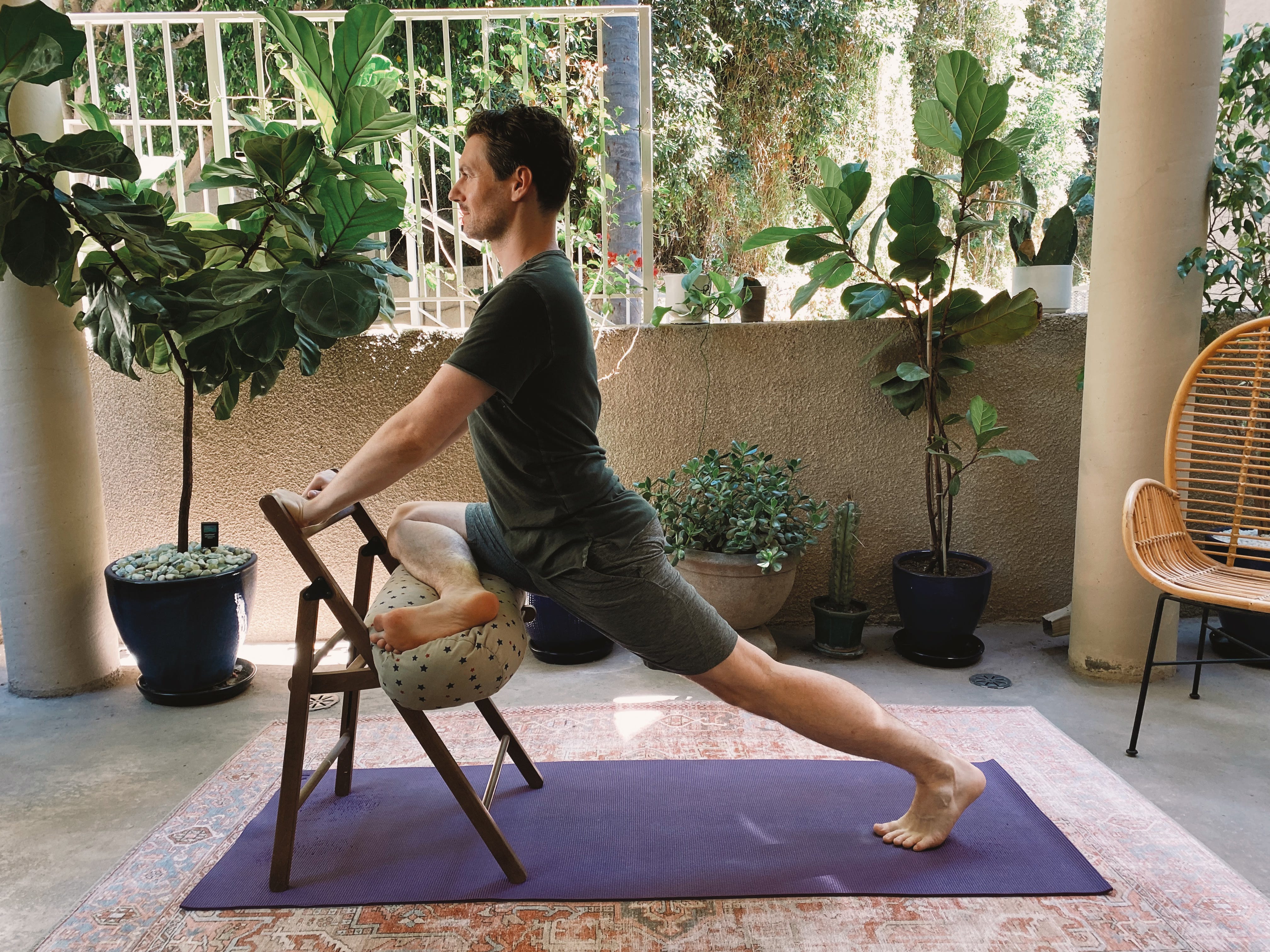
Place a bolster on a chair and use the back of the chair for support with your hands. Bring your front leg onto the bolster and step the back foot away to create space. This variation reduces the amount of load through the joints and can make the position more manageable.
4) Deer Pose
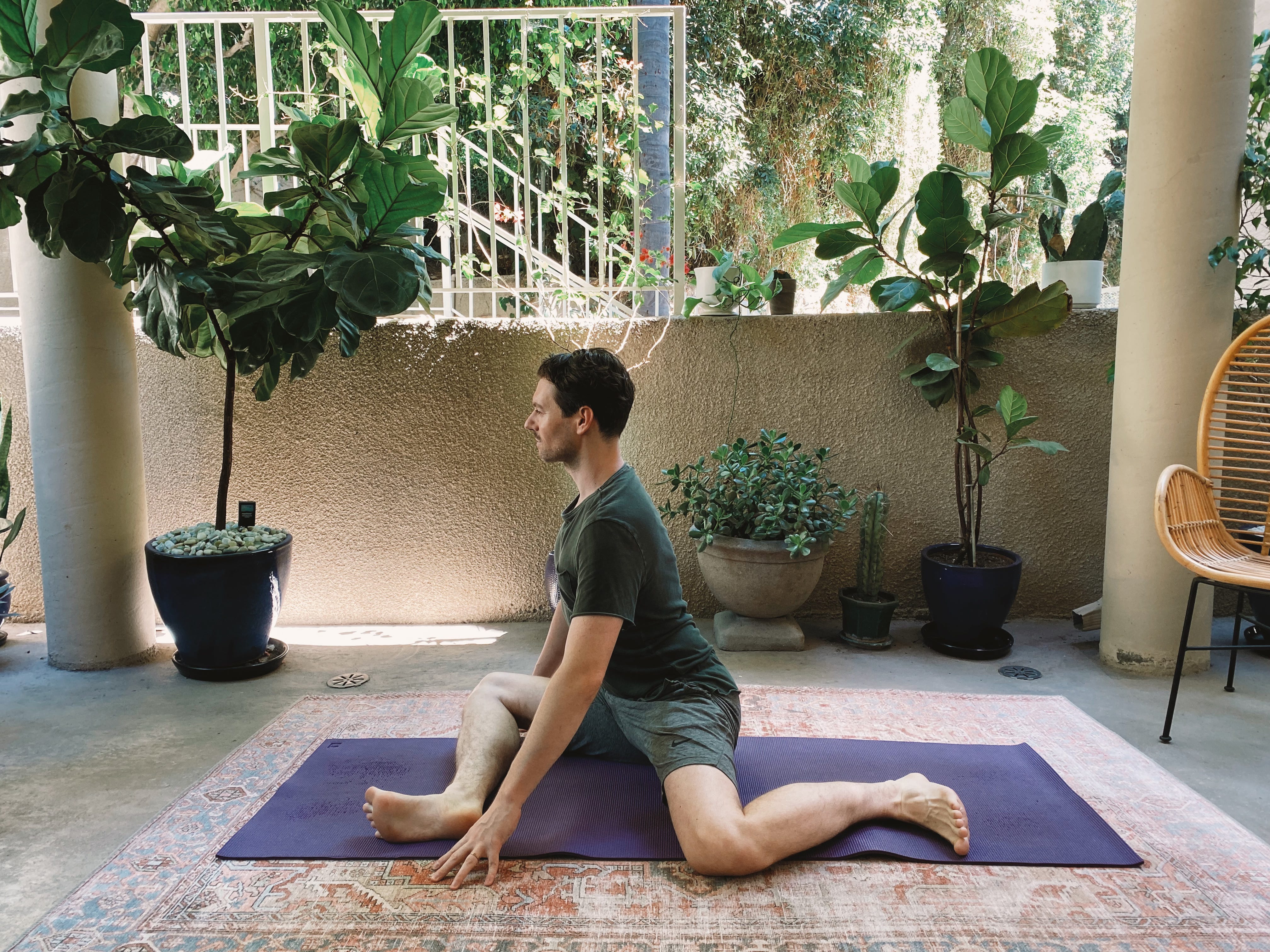
From Bound Angle Pose, bring one leg behind you with the knee bent so both hips are in rotation. Adjust the angles of both legs to suit your body. Turning your torso toward the front leg can increase the sensation around the hip. Stay upright or fold forward.
5) Pigeon with a bolster
Place a bolster or cushion beneath your pelvis or front thigh as you come into the shape. Elevating the pelvis often reduces the intensity, particularly in the front hip and back thigh, making the position more comfortable and sustainable.
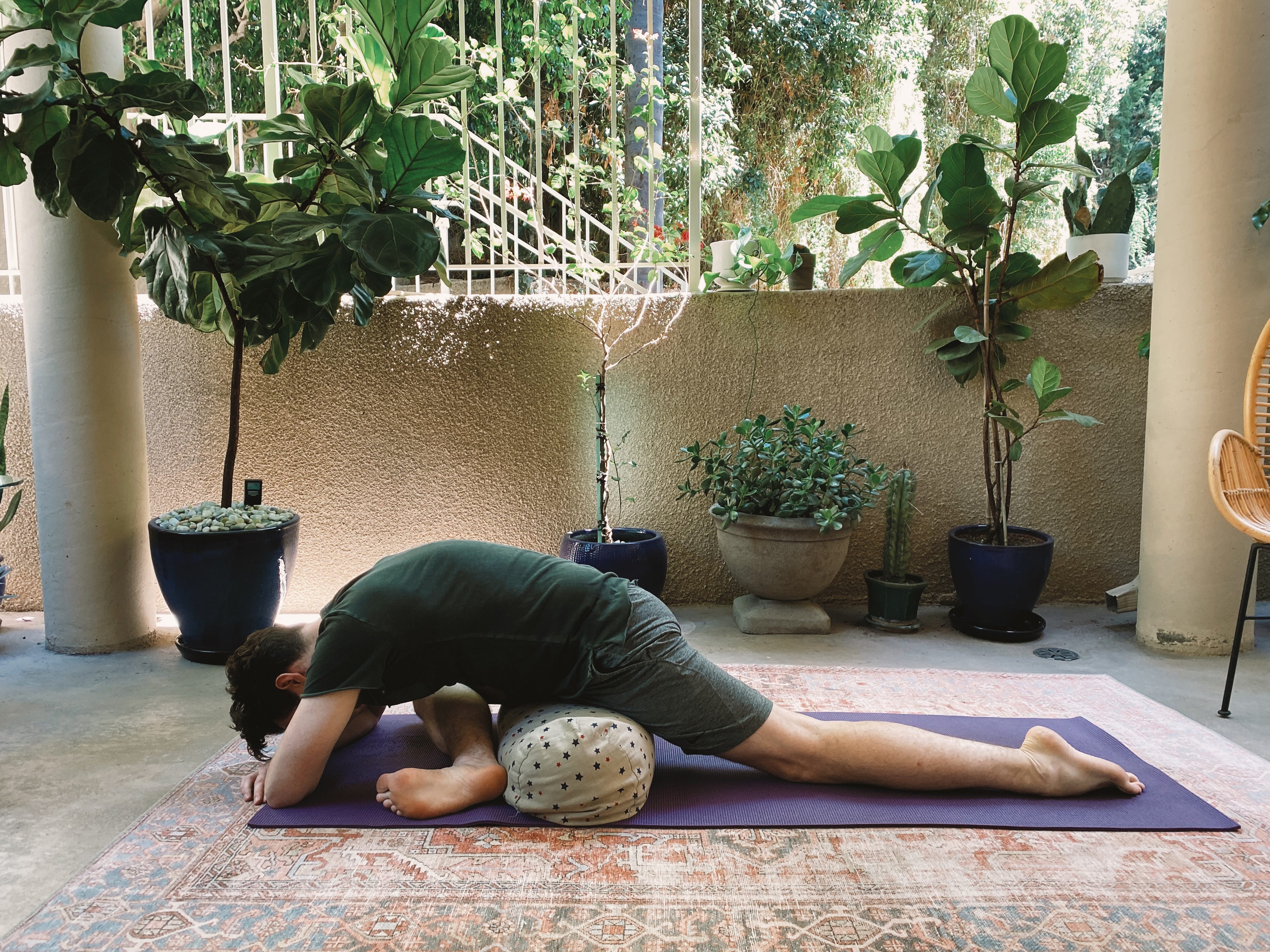
6) Traditional Pigeon
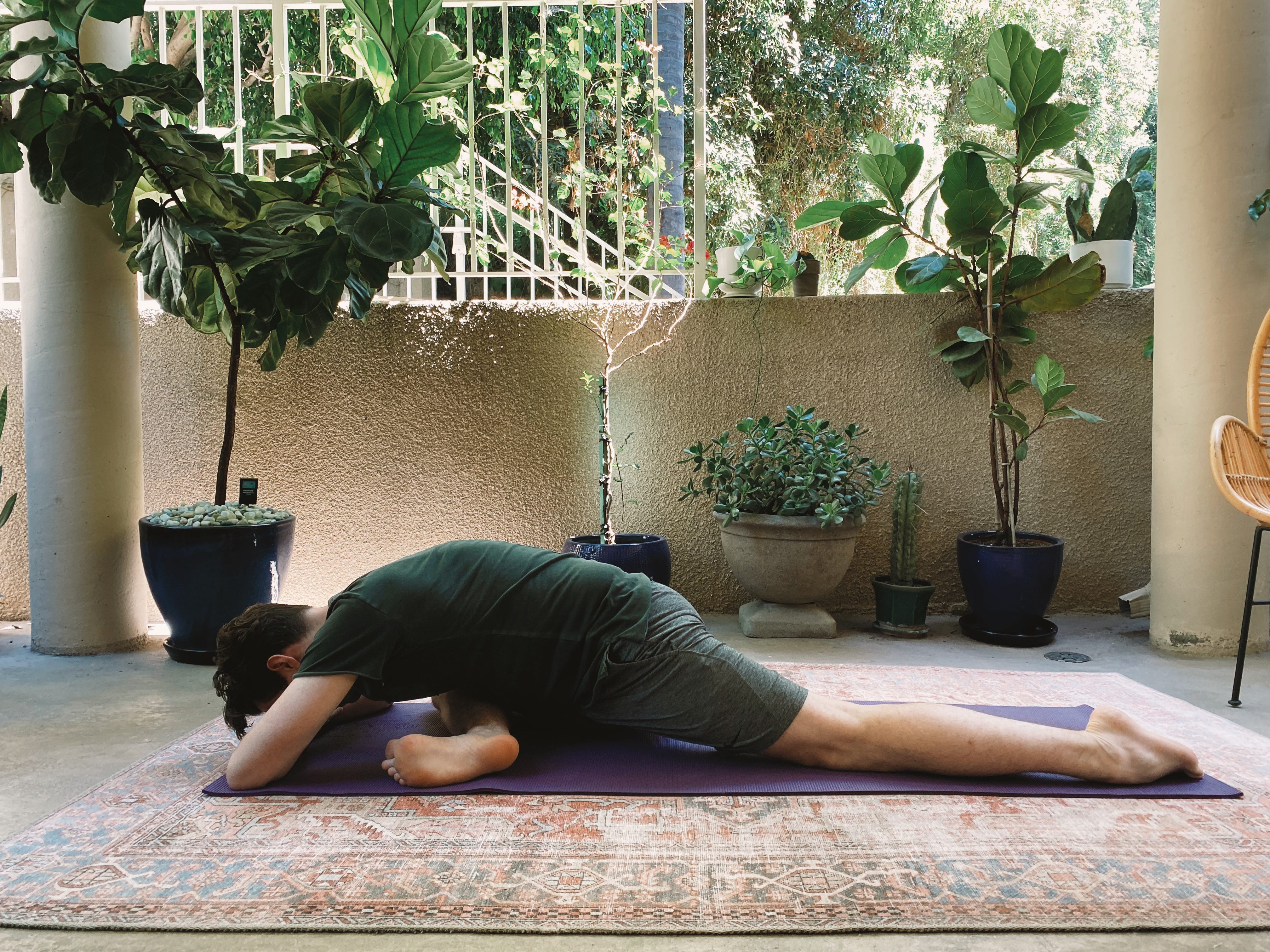
From Downward-Facing Dog, step your right foot toward your right hand and lower your right knee to the mat. Slide your left leg back and begin to lower your pelvis toward the floor. There is no single correct position for the front leg. Adjust the angle of your shin and foot to find what works for you. Bringing the shin closer toward the midline generally reduces the demand for external rotation. Stay upright or fold forward, depending on your intention.
👉Teacher Reflection
Pigeon Pose is not one fixed shape, and it does not need to look a certain way to be effective.
Different variations allow you to explore similar joint actions in ways that suit your body. Rather than aiming to “open” the hips, it can be more useful to explore how these positions feel, how you can control them, and how they fit into your overall practice.
P.S. If this week’s topic resonated with you, here is a great way to dive deeper:
→ The Enlightened Yoga Collective supports inclusive, accessible teaching. The Monthly Class Inspiration this month is Pigeon Pose!
We’ll be including:
✨A pdf breaking down these 6 variations
✨A full yoga practice for you to steal or adapt!
